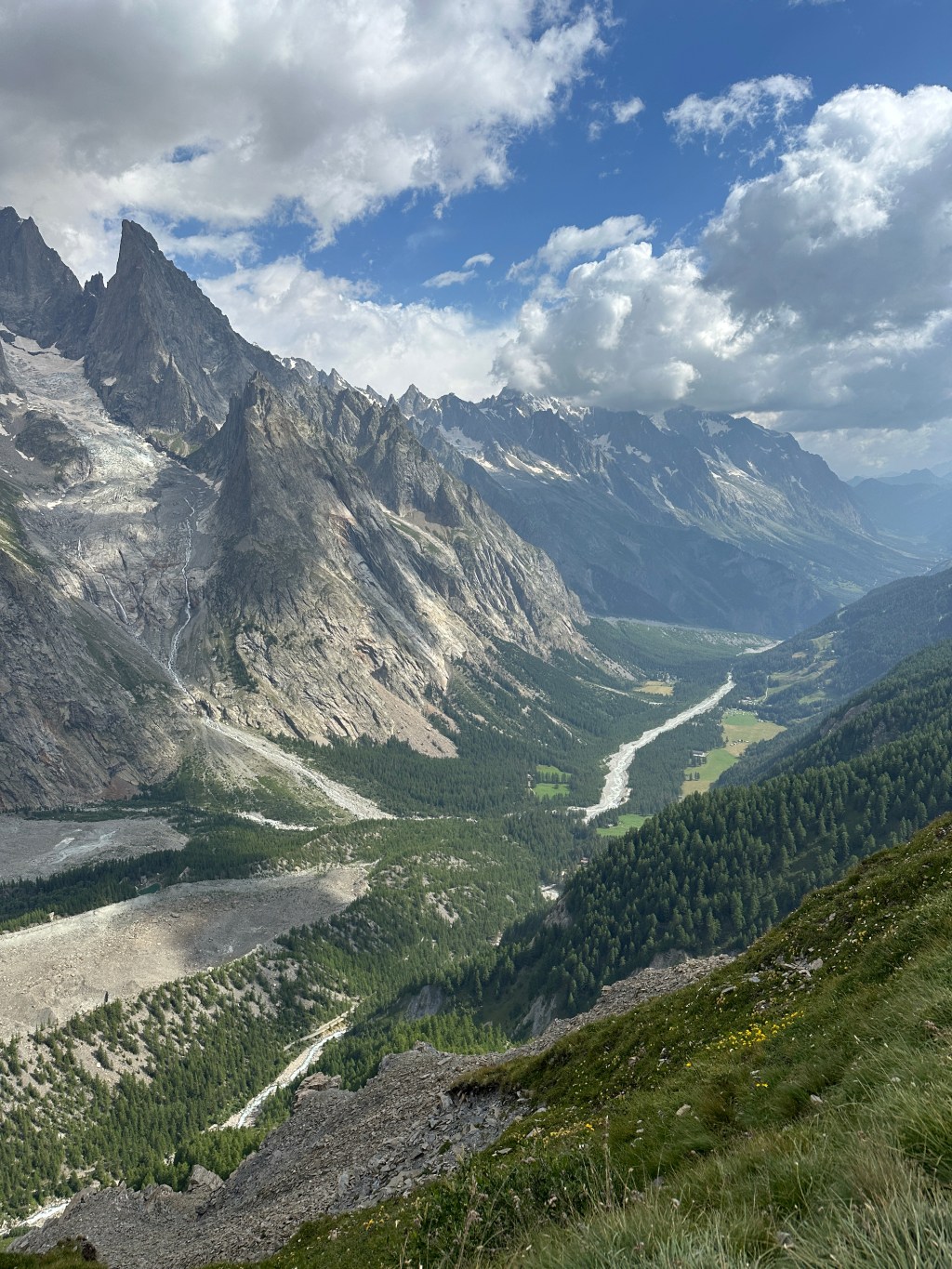
The Tour du Mont Blanc (TMB) is one of the most famous hikes in Europe. Famous for being the same route as the incredible UTMB, it is completed by many hiker lovers and trail runners. It spans a total of 170km in the alps with over 10 000m of elevation gain, making the total climb more than the height of Mount Everest. The Tour du Mont Blanc goes through three different countries: France, Italy and Switzerland. I completed the entirety of the TMB back in July 2024, and it was honestly one of the best and most physically challenging experiences that I have ever done.
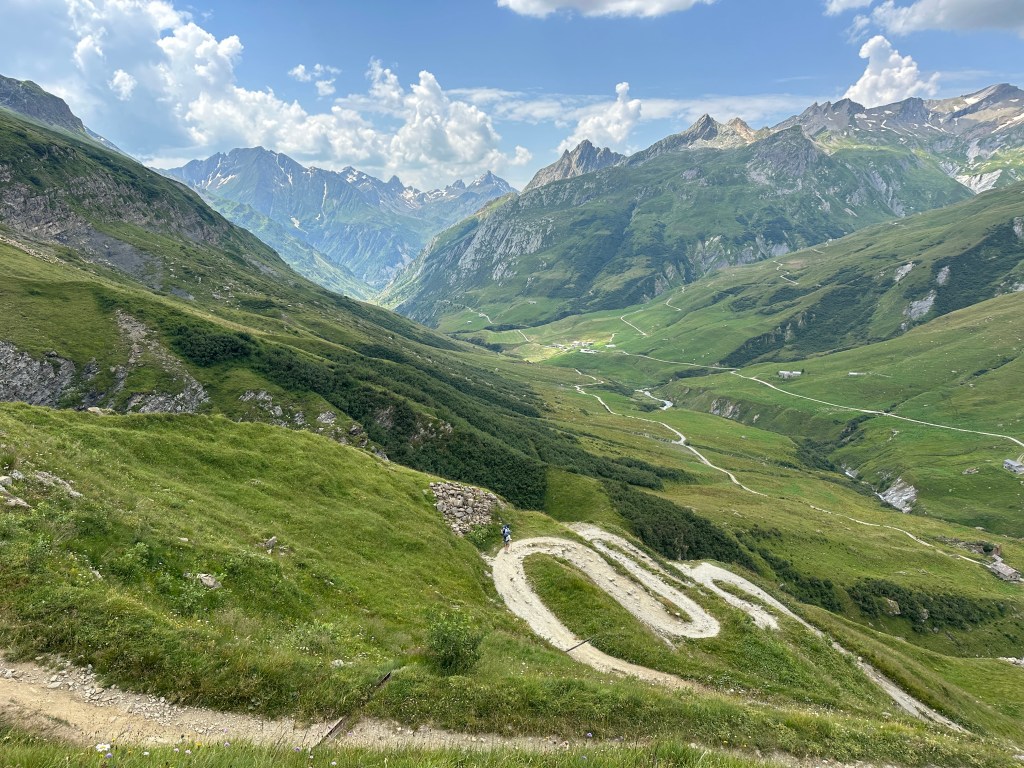
The preparations leading up to the days of the TMB can be a bit overwhelming, from booking the refuges and making sure there are enough availabilities for the exact days that you are there to figuring out the best backpack to bring with the things to pack. Although it can be a bit stressful, I’m here to help you out to make the preparation part a bit more peaceful!
As mentioned, before embarking on this trek, one of the many things to think about is what to pack for the Tour du Mont Blanc. Because the trek must be done in multiple days, you will need to carry a backpack for all of your essentials ranging from your clothes to your food. Most people complete the hike from 3 to 14 days.
The things to pack for the Tour du Mont Blanc will vary depending on everyone. In our circumstances, we carried all of our equipment with us during the trek, so we had to have everything that we needed. In other words, we didn’t use luggage transport. If you were to use luggage transport, your gear would be different. In addition, if you were camping, there would be a lot of other things you would need to bring.
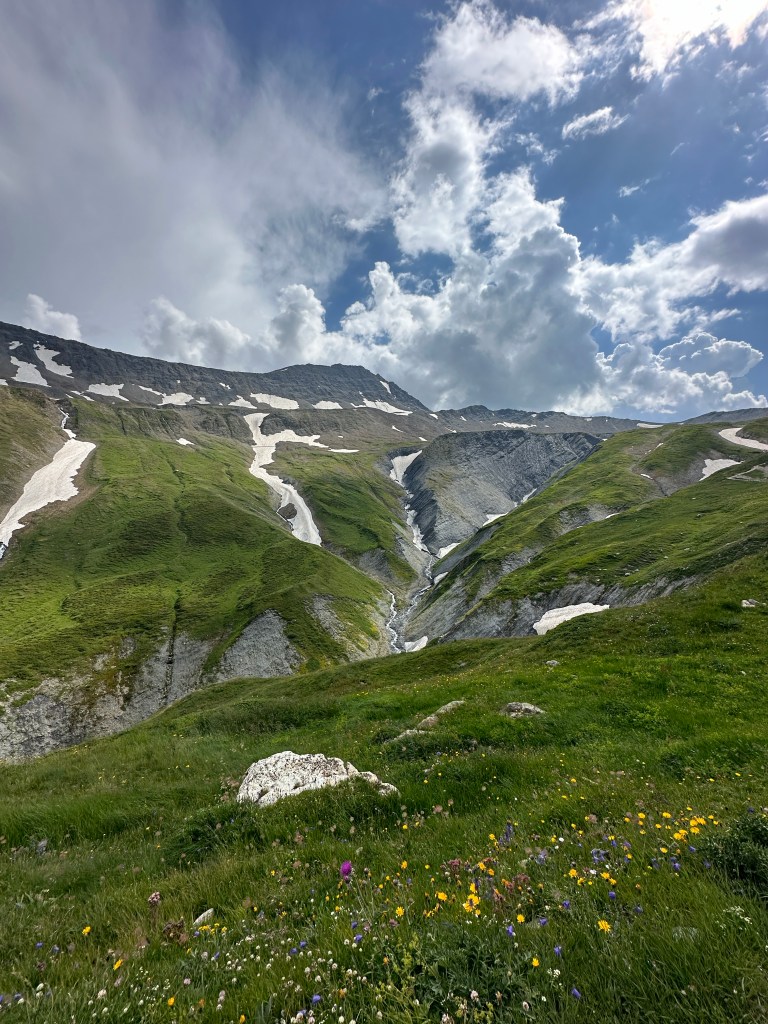
Although there are some differences depending on the person, I have made a packing list for the general population. This is mainly for if you are staying in refuges and if you are carrying all of your gear. After the packing list, I also have explanations as to why I brought the quantity of things that I brought. Everything in this list is very thought out because every pound counts! Being minimalist will be very important because every item is an extra pound that you will need to carry on your back.
Here is our Tour du Mont Blanc packing list:
Our backpack:
- 25L bag
Inside the backpack:
- Backpack rain cover
- Puffer jacket x1
- Rain jacket x1
- Rain pants x1
- Pyjamas x1
- Fitness short x1
- Long sleeve fitness shirt x1
- Leggings x1
- Fitness t-shirt x1
- Sport bra x1
- Sock x1
- Underwear x2
- Towel x1
- Sleeping bag liner x1
- Slippers x1
- Reusable 1L plastic water bottle x1
- 1L coke plastic bottle (that we used as water bottle) x1
- Essential skin care (face wash, cream, sunscreen)
- Hair care (shampoo, hair brush, hair elastics)
- Teeth care (tooth brush, tooth paste, floss)
- First aid kit
- Portable charger
- Electronics chargers
- Ear plugs
- Eye mask
- Toilet paper
- Granola bars
- Candy
- Lunches
- Wallet
What we were wearing:
- Fitness short x1
- Fitness tshirt x1
- Sport bra x1
- Sock x1
- Underwear x1
- Hiking boots x1
- Hat x1
- Hiking poles
The backpack
I suggest getting a 25-30L backpack. That size will be able to fit everything in this list.
I bought the Quechua 20L Hiking Backpack from Decathlon. It honestly wasn’t an amazing backpack but it did its job. I would also go for a bigger one as I mentioned earlier because I barely had any space for food after everything. It’s good to leave a bit of free space and not have everything packed to the core to have some room for extra stuff along the way, such as a packed lunch or groceries.
The things I regretted bringing
- Leggings
- Rain pants
I regret bringing the leggings because I never actually wore them. I didn’t like the tight feeling of them, and I wish that I would have brought thin baggy hiking pants instead. I do think you should bring a pair of long pants because it can get very cold at night, especially if you are at one of the refuges above 1500m.
I regret bringing the rain pants because I also never really needed them. The only time I needed them was for 2 hours when it started raining one day. However, I think that I honestly could have gone without them, considering that I was also wearing shorts, so just having a little bit of fabric being wet wouldn’t have bothered me that much.
I do think that it wouldn’t be a terrible idea to bring rain pants, because the weather can be unpredictable in the mountains. Although we didn’t see any rain so I felt that I was carrying my rain pants for nothing, we also could have just been lucky the days we were there.
As a side note, even though I am saying that I don’t think rain pants are that necessary, I think that a rain jacket is 100% necessary!
Why so little clothes?
As you can see from the list, we technically only have 2 outfits. I brought 2 t-shirts, 2 hiking shorts, 2 sport bras, and 2 socks. The other clothes are for in case we get cold and for special situations, but the clothes above are the ones that we rotated everyday. We would wear one pair of clothes, and we would wash the other outfit that same day. Like that, the next day we would switch to wear the newly washed outfit and wash the second outfit that we had, leaving us washing our clothes everyday and rotating outfits everyday.
This helped us save space in our bag, and therefore, we had less weight to carry on our backs. This is common practice for many people in the TMB, but of course, if you would like to bring more clothes, it’s really up to you!
Is 2L of water enough?
As you can see from the list, I had approximately 2L of water. This is more than enough per person. Throughout the trail, there are lots of opportunities for you to stop for water.
You brought food, but how much?
We brought food enough for usually 1 lunch and a few snacks. With a bigger bag like I suggested above, I think that you could bring even more food, which I recommend if you want to fuel with grocery stores (the cheapest option). Since we only had enough space for 1 meal and we would pass by a grocery store every 2 days, we usually had to get a remade lunch from our refuges, which is more expensive than getting your food at a grocery store.
The sleeping bag liner and sandals.
If you are sleeping in refuges, you will need a sleeping bag liner. This is mandatory. And honestly for your own good, I just recommend it because the refuges do not wash their sheets everyday. Since 99.9% of people only stay one night, I guess that they don’t have the time and/or it wouldn’t be efficient to clean everyday since many of the refuges are up in the mountains, and sometimes water is scarce.
If you are staying in refuges, I highly recommend bringing sandals! You aren’t allowed to wear your hiking boots inside the refuges due to hygienic reasons, so instead of having to walk barefoot or with only your socks, you can use your sandals. You can get some that are lightweight or just any that you have at home and hang them outside of your backpack to save some space!
 Jessie Across the World