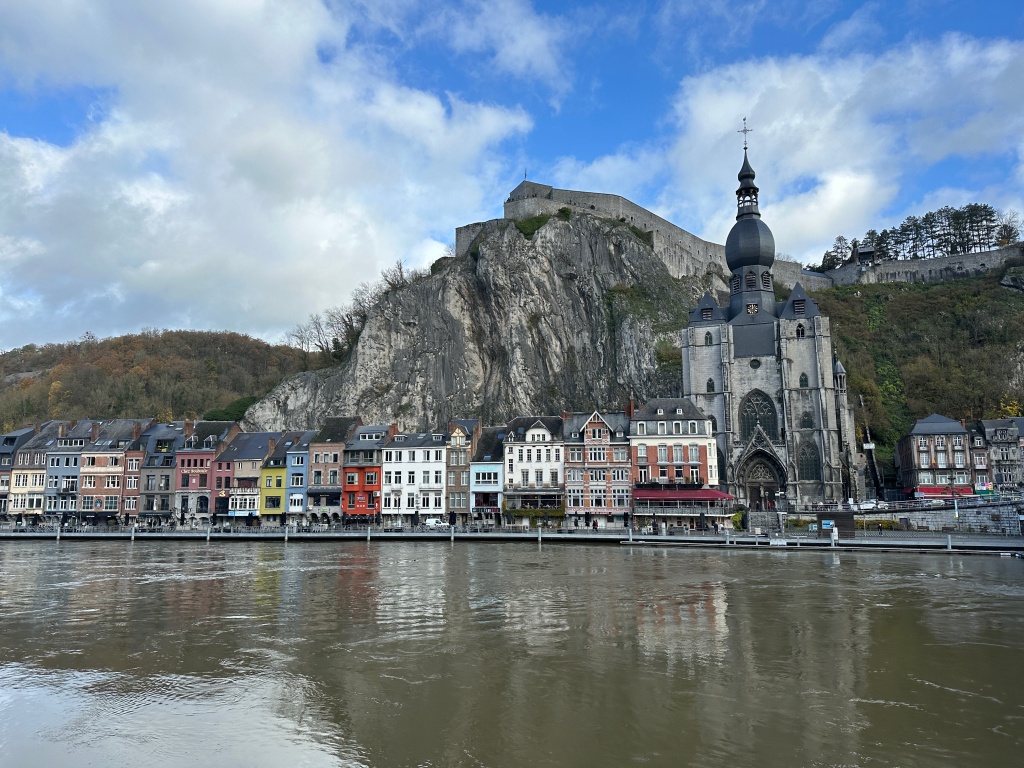
Belgium, a Western European country, is known for its medieval and gothic towns. Bordered by France, the Netherlands, Germany and a bit by Luxembourg, Belgium is considered a trilingual country, speaking French, Dutch and German, depending on the region that you are in.

During November of 2023, I visited Belgium for 8 days. Therefore, I am here to share my Belgium itinerary. I have made it into a 7 day itinerary, where you will cover some of the best places to visit in Belgium.
This 1 week itinerary around Belgium starts with your first full day on day 1, or when you will arrive in the early morning, and ending on day 7, which would be your last full day in Belgium. This itinerary was also mine when I travelled to Belgium in 2023.
In this blog, you will have access to how to get around Belgium, where to eat, where to stay, activities to do, my comments for each activity, a packing list, the cost for each activity, a google maps with pinned locations, and much more.
I hope that this itinerary is helpful for your next trip to Belgium!
Table of contents
- General Information
- Day 1: Brussels
- Day 2: Brussels
- Day 3: Dinant
- Day 4: Antwerp
- Day 5: Bruges
- Day 6: Leuven
- Day 7: Ghent
- Google My Maps with Pinned Locations
- Packing List
- Costs
General Information
Which cities should I visit in Belgium?
In this itinerary, I have detailed the activities that you should do in these cities:
- Brussels
- Dinant
- Bruges
- Leuven
- Antwerp
- Ghent
I think that you should definitely visit all of them because they all have unique things to do. If I were to pick my two favourites, they would be Dinant and Bruges.
In which order should I visit the cities?
Unlike some of my other itineraries (for example, my Iceland Ring Road Itinerary), there is no particular order in which you should follow this itinerary for the different cities that you visit. This is because I have build this itinerary with your home base in Brussels, while taking day trips to explore the cities around Brussels.
Where should I stay for accommodations in each city? Hotels? Hostels?
To begin, I recommend staying in Brussels for the week and taking day trips to the other cities. Brussels is a great middle point between the cities, and it has great train stations that give easy access to the other cities. The transportation time is between 30 minutes to 1h30 one way to the different cities.
For the accommodations in Brussels, I personally stayed at the Marriot Hotel Grand Place. I enjoyed my overall experience at this hotel. It was also super close to one of the main train stations and the attractions around.
There are also so many other amazing accommodations in Brussels. Overall, I recommend choosing an accommodation near a main train station. The main train stations are Bruxelles Midi, Brussel Centraal and Brussel Noord.
For hostel recommendations in Brussels, you can search for your travel dates for availabilities on Hostelworld by clicking here!
How do you get around Belgium?
Within the cities, I got around by feet, especially the cities outside of Brussels. For within Brussels, my main transportation was by feet, although I took the subway twice. To buy subway tickets, you can get them once at the station. They have easy to use machines.
To get to one city from another, I got around by train. I recommend for you to download the app called “SNCB/NMBS: Timetable & tickets.” On this app, you can buy your train tickets. If you plan on doing this itinerary, I recommend buying the deal of 10 tickets. This itinerary includes the trip to 5 different cities other than Brussels, so this package is perfect for the trips to these cities.
Before every ride, make sure to activate your tickets! Even if you bought your tickets, if you do not activate them, you will get fined. There are almost always people checking.
What language do they speak?
In Belgium, the main languages are French, Dutch and German, depending on where you are located in the country. However, Belgians also speak great English, so it should not be difficult to get around the country if you only speak English. I do encourage you to learn some of their basic phrases though because it is always respectful to have a few phrases down.
What is the currency in Belgium?
Euros are used in Belgium.
Should I bring cash?
Although I brought some cash on my trip, I did not have to use it mandatorily once. You can easily get around without any cash.
How do you get from the airport to the city?
From the airport, you can take an uber/taxi or their public transportation. Ubers/taxis take about 25 minutes to reach the city, and public transportation takes about 30-40 minutes to reach the city, depending on where you are located. I took the train from the airport, and it was simple to figure out.
Day 1: Brussels
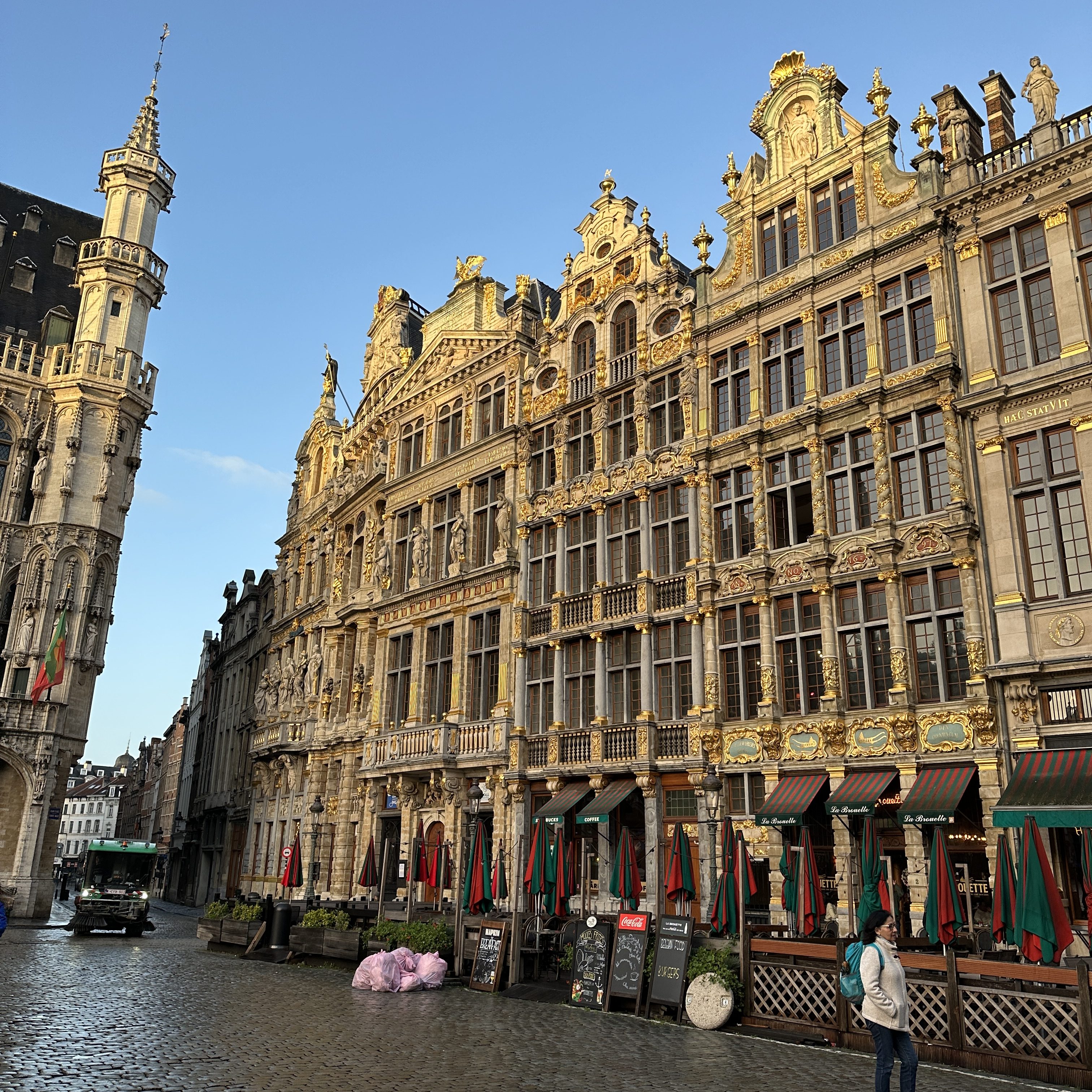
In the morning, start at the Grand Place. The Grand Place is a square in Brussels circled by many historic buildings. The architecture is very impressive.
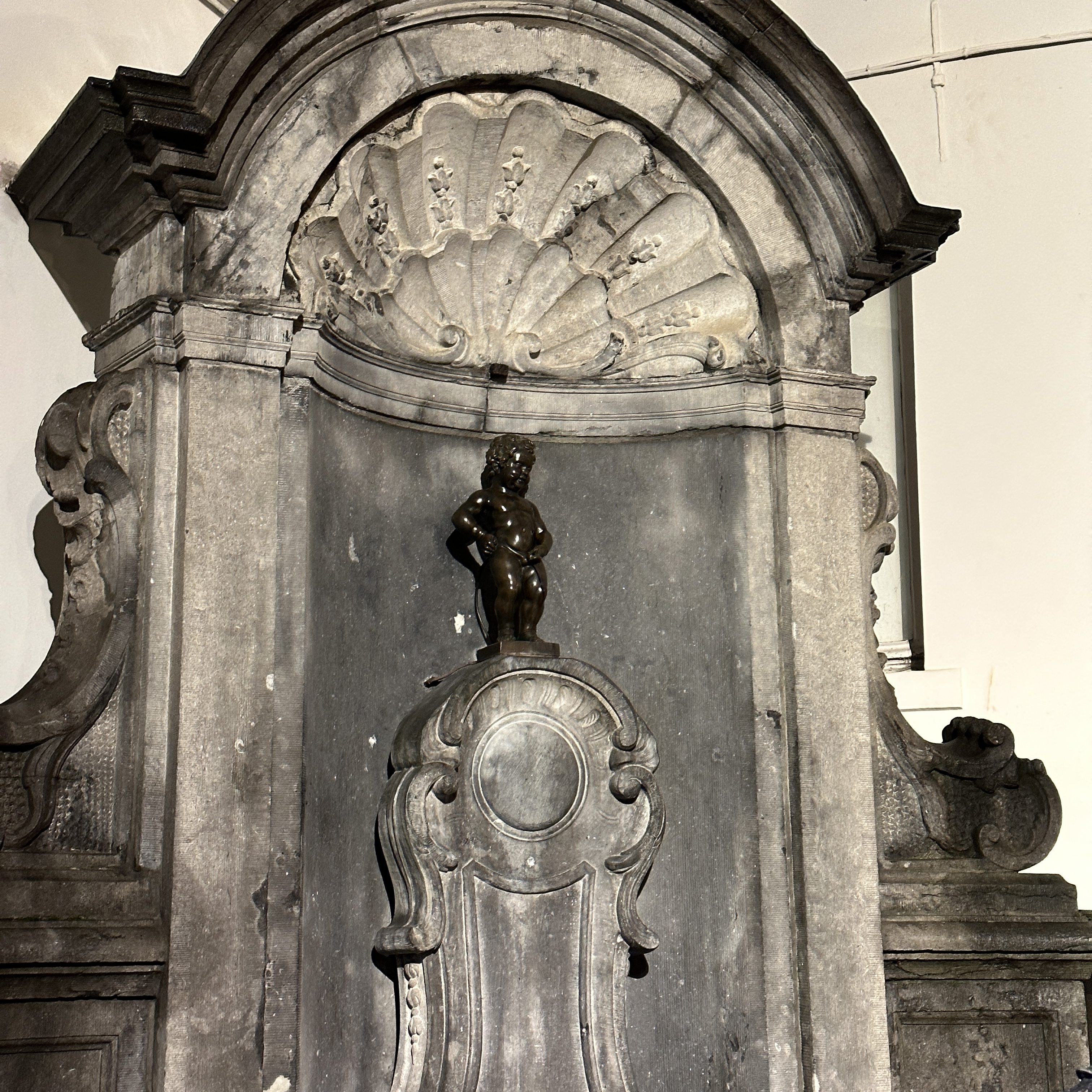
Next, just a few blocks away, you can see the Manneken Pis. It is a famous statue of a little boy urinating in a fountain. Although there is nothing else to it, many people gather to see this special attraction.
Afterwards, you can visit les Galeries Royales Saint-Hubert. The Galeries are famous for its shops, cafes, restaurants and show rooms. One cafe that I highly recommend is la Maison Dandoy. They sell delicious Belgian waffles with the best toppings. You can either dine in or take out. Whether you dine in or take out, I recommend coming here before 3:00 pm because after that time, it can get super busy with very long queues.
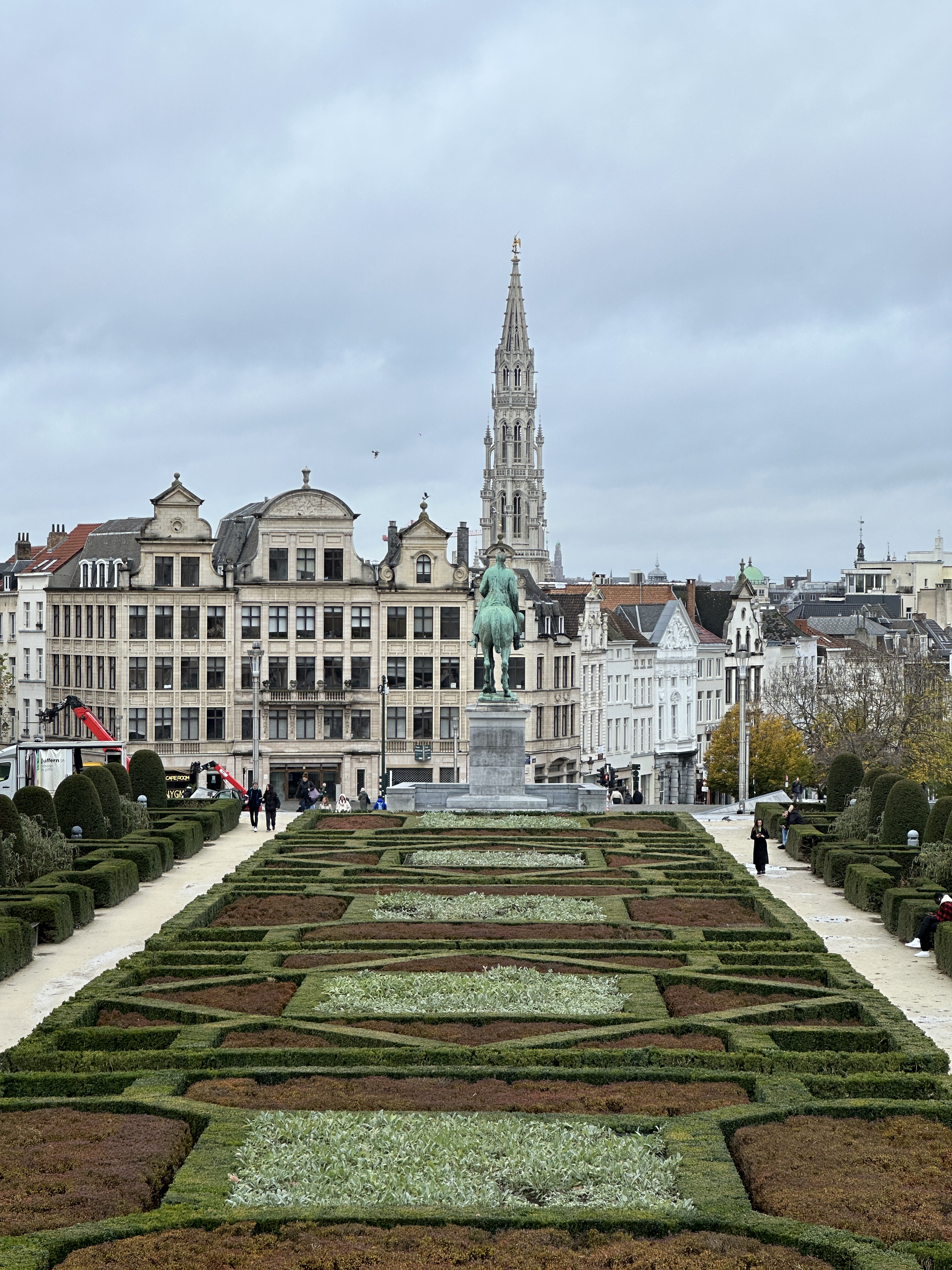
Next, you can walk around Mont des Arts. It is a small hill with a garden. Around it are many restaurants and shops.

Visit the St Michael and St Gudula Cathedral. Do note though that if you would like to enter, you need to come before 6 pm because that is their closing time. They close at the same time every day of the week, unless there have been new changes. This gothic cathedral is perfect for the architecture and history lovers.
Note that all the activities of this day were free. However, if you are looking for a more guided tour experience in Brussels, it could also be an amazing way to discover the city.

Day 2: Brussels
If you are interested in a cute brunch spot, I highly recommend Frank. I tried their Eggs Benedict for the first time, and I was pleasantly surprised.
Spend the morning walking around the Cinquantenaire Park to get your daily steps in. It is an urban park, and it is free to visit. One of the things that sticks out in this park is the Cinquantenaire Arch, which is shown in the picture below.
Next, learn about the European history at the European Parliament for free. Do note that you are supposed to reserve tickets online beforehand. However, I did not do so. When I arrived in person, they just let me in. The policy is that you should reserve your spot, but for those who might not have had the chance, you can still test your luck on site. I thought that this activity was super interesting, and plus it was free! You dive into the history of the European Union, starting from 1800 (or maybe a bit before or after, I don’t quite remember), and they showcase memorable yearly events that happened in Europe. I usually tend to not enjoy as much of these activities because I tend to lose focus on what I’m learning about, but this activity really grabbed my attention.


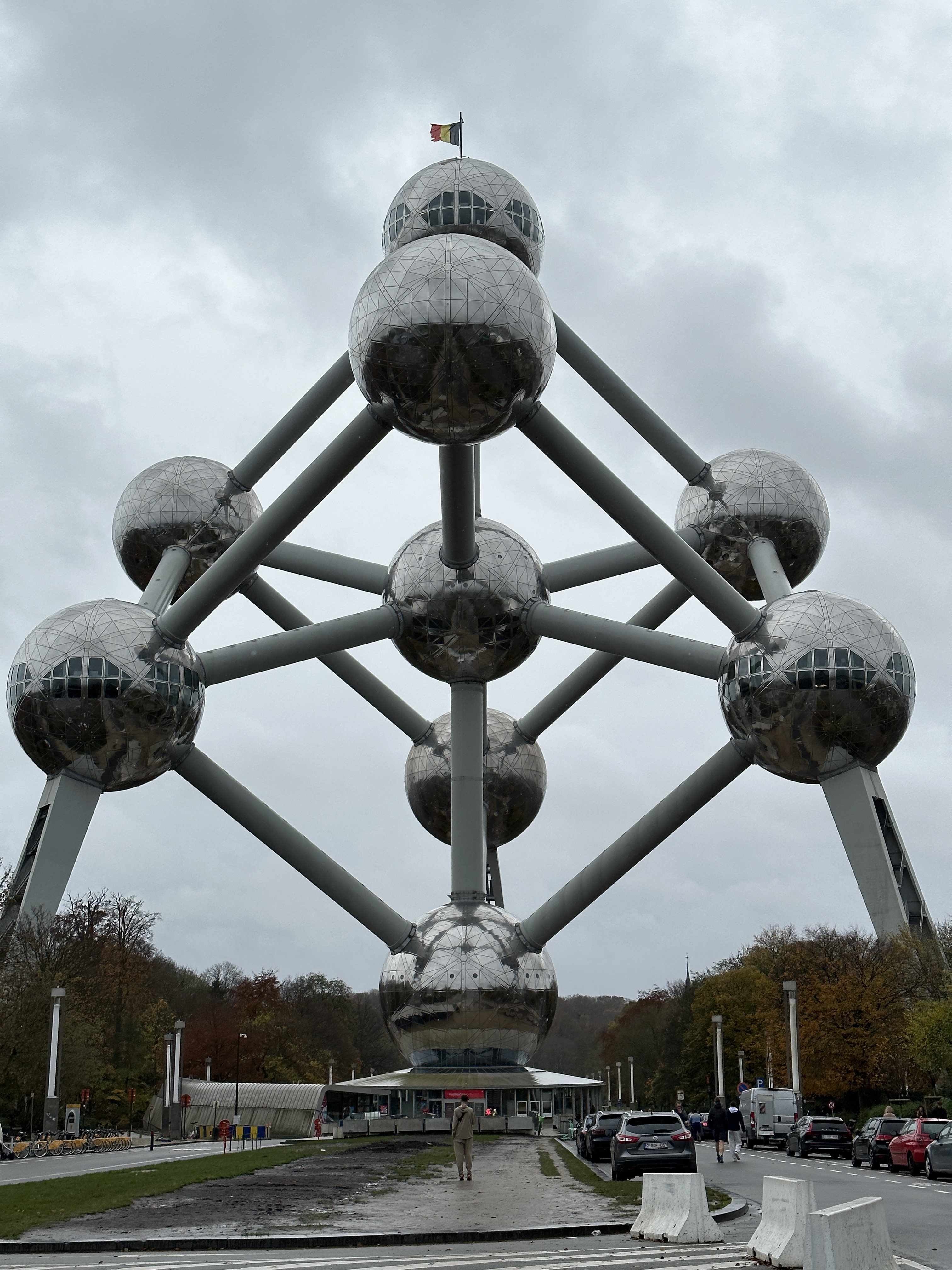
Finally, visit the Atonium. I was walk from the European Parliament to the Atonium when I realized that it was taking me longer than expected. The walk takes almost 2 hours one way. If you do not want to commit to walking for that long, I recommend taking the subway, which will take you around 40 minutes. I spent approximately 1h30 here.
The Atonium has an entrance fee, which was €16 for an adult of 18-64 years. If you are interested to see the other rates, click here.
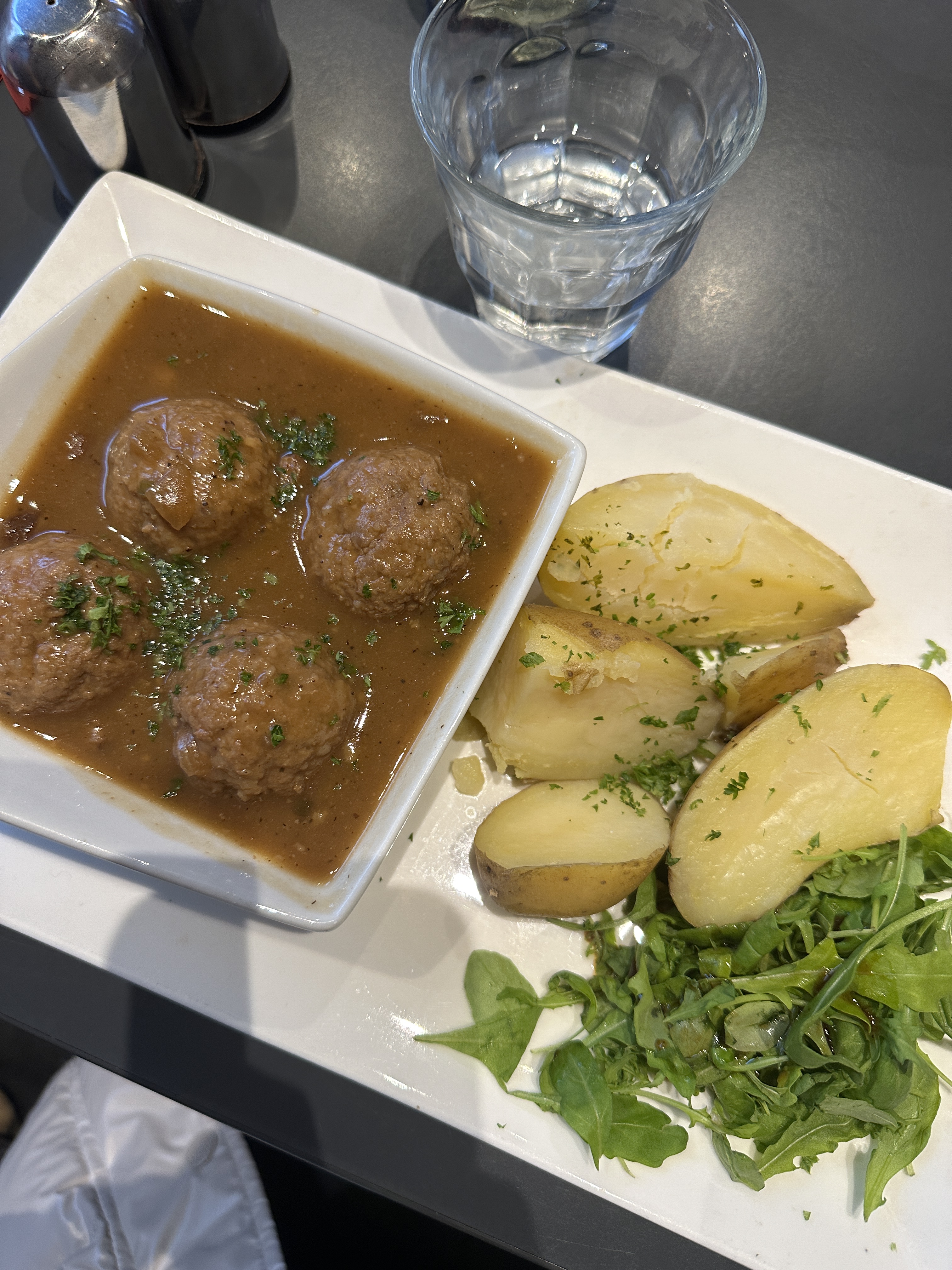
For a food recommendation, you should try out the restaurant C’est bon C’est belge. The spot isn’t that big but very cozy. I had their meatballs and they were honestly incredible.
Day 3: Dinant
Take a day trip to Dinant. From your nearest train station in Brussels, you will to take an 1h40 one way train ride. Depending on where you are starting in the city, they will either suggest you to take 2 trains (1 stop) or there will be a direct train. This depends on the time you want to leave and your location of departure, so check before you leave. The train station to stop at is “Dinant.”
Although it is a bit further than the other cities, I highly recommend visit Dinant! It is a very picturesque city with a very wholesome vibe.
Once you arrive in Dinant, walk along the Meuse, which will give picturesque views of the city. The Meuse is the river that flows along the city. You will be able to see the Citadel of Dinant, which you will afterwards be able to go to. The houses along the Meuse also add a colourful touch.

Next, take the gondola to visit the Citadel of Dinant. Whether you take the gondola or walk up, you will need to pay the same entrance fee. The most basic entrance fee includes the gondola ride and a visit to the citadel. It is €12.00 for adults and €10.00 for children 4 to 12 years of age.
If there is one thing to do in Dinant, go visit the Citadel! The views on top are so pretty, and there is a good amount of things to visit up at the citadel. I spend approximately 2 hours at the citadel.
If you are interested, you can also visit the Grotte de Dinant La Merveilleuse. From the main part of the town, you will need to walk around 10 minutes to reach this cave. I heard someone say that this cave is the most beautiful in Belgium, and I do agree that it was very impressive. It is made of white stalactites and stalagmites. I spent approximately 30-45 minutes in the cave. The ticket was €10.00 for adults and €6.00 for children.


Day 4: Antwerp
Take a day trip to Antwerp. From one of the main train stations in Brussels, you can take a direct train to Antwerp. The train station to stop at is called “Antwerp Central Train Station.”
Walk around the Grand Place, also called Grote Markt. The Grote Markt is the central square in Antwerp and has many of the other main attractions in Antwerp, such as the Town Hall.

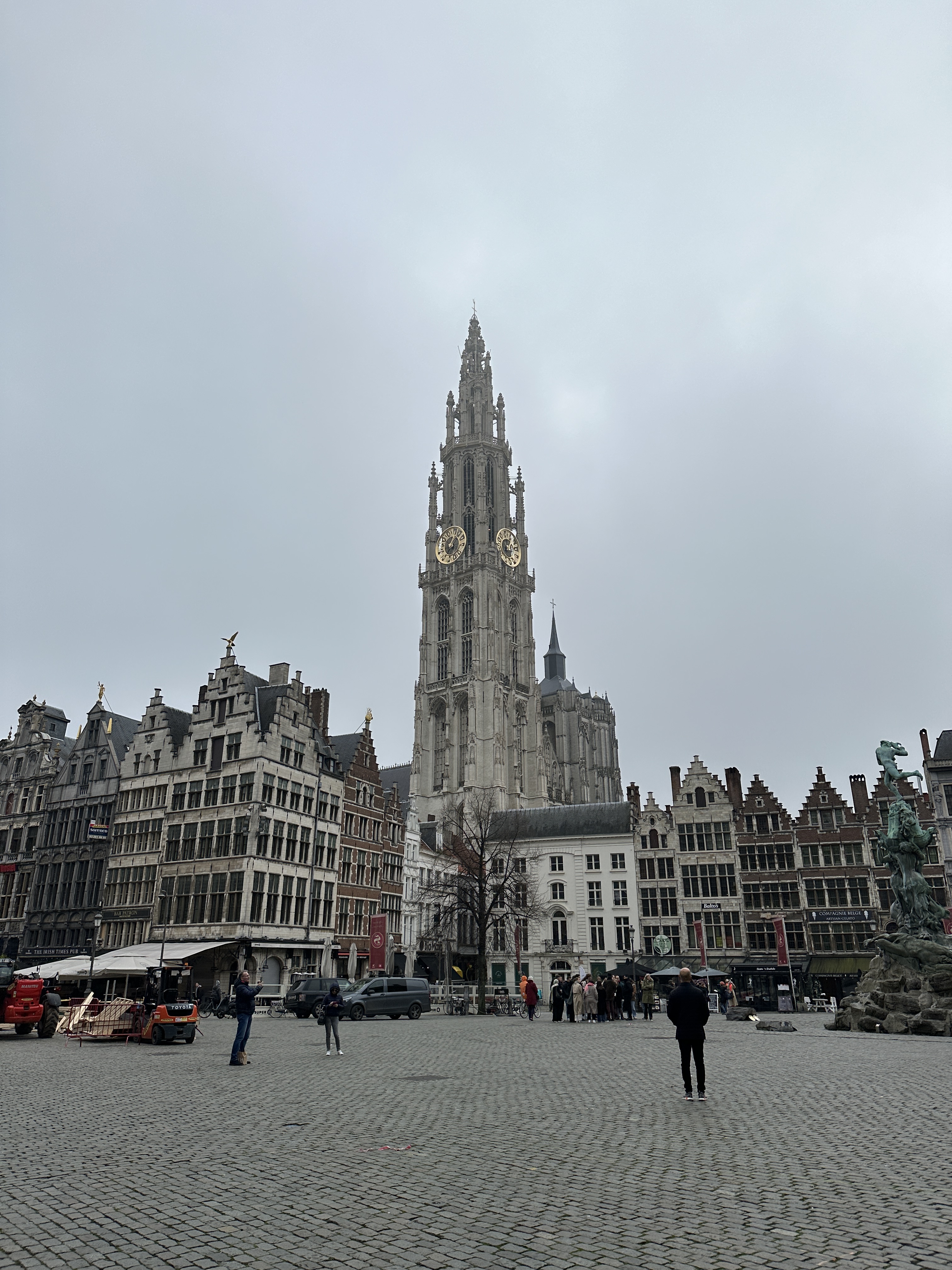
Visit the Town Hall, also called Stadhuis. You can enter to see the displays inside. In addition, there are many stores and restaurants around.
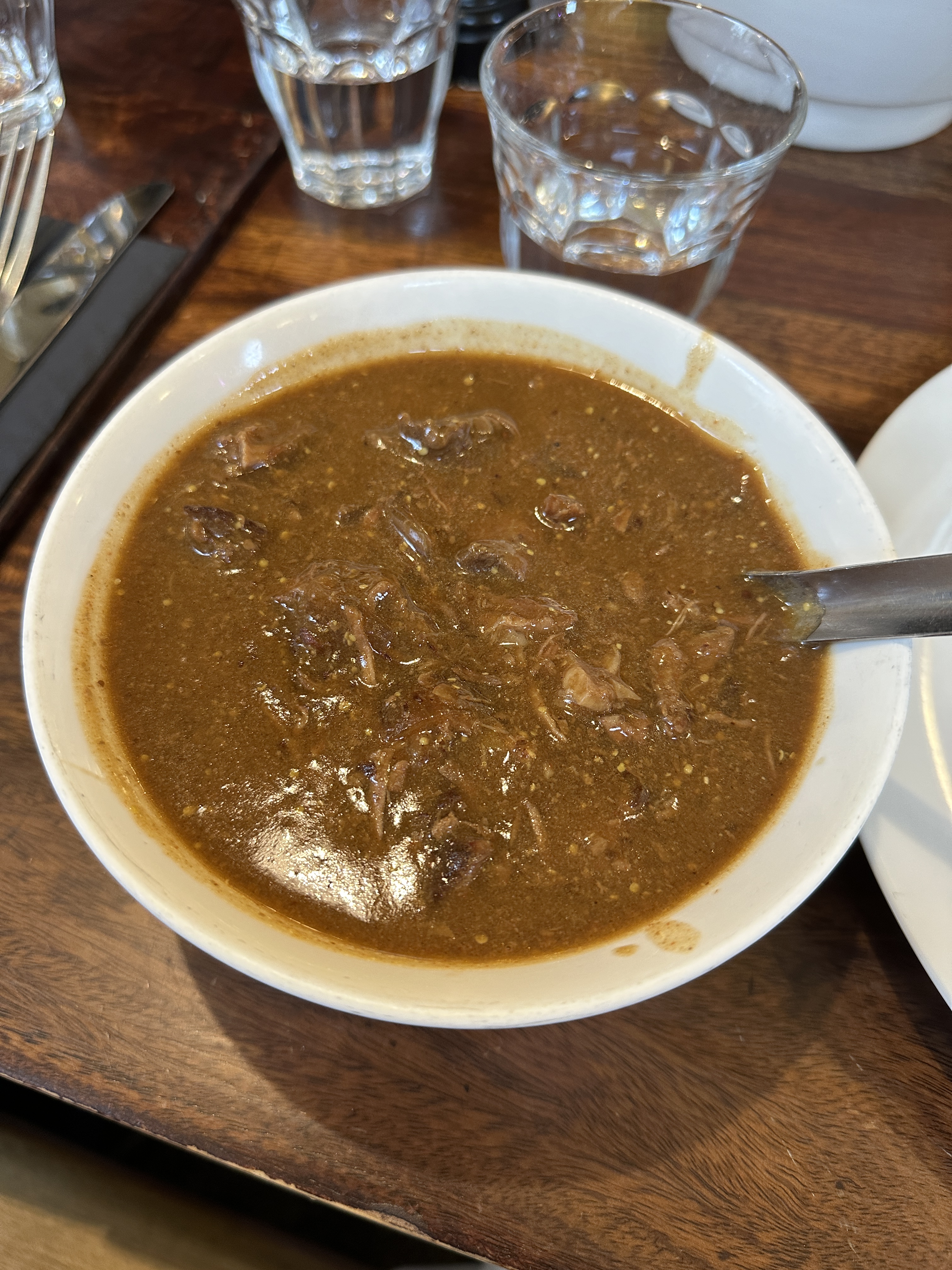
A restaurant that I recommend is “De Arme Duivel,” although it is not next to the Town Hall. I ordered their traditional beef stew, and it was honestly the best stew that I had ever had. They also have many other classic Flemish dishes.

In Antwerp, you can also visit Butcher’s Hall, also known as Vleeshuis, St Paul’s Church, also called Sint-Pauluskerk, Reuben’s House and the Cathedral of Our Lady.
Day 5: Bruges
Take a day trip to Bruges. From one of the main train stations in Brussels, you can take a direct train to Bruges. The train station to stop at is called “Brugge.” It is an approximately 1 hour one way train ride.
Once you arrive, I suggest heading directly to the Grote Markt. When I was there, they were offering free walking tours in English, French and Spanish (and maybe more now…). If you go there once you arrive, you can make sure to be in contact with the guides as soon as possible, like that you can either reserve your spot for later in the day or go on their next upcoming tour. They usually have tours at 11:00 am and 2:00 am (and possibly at a slot time before and after, but I am not sure about that). You can recognize them by their umbrellas.
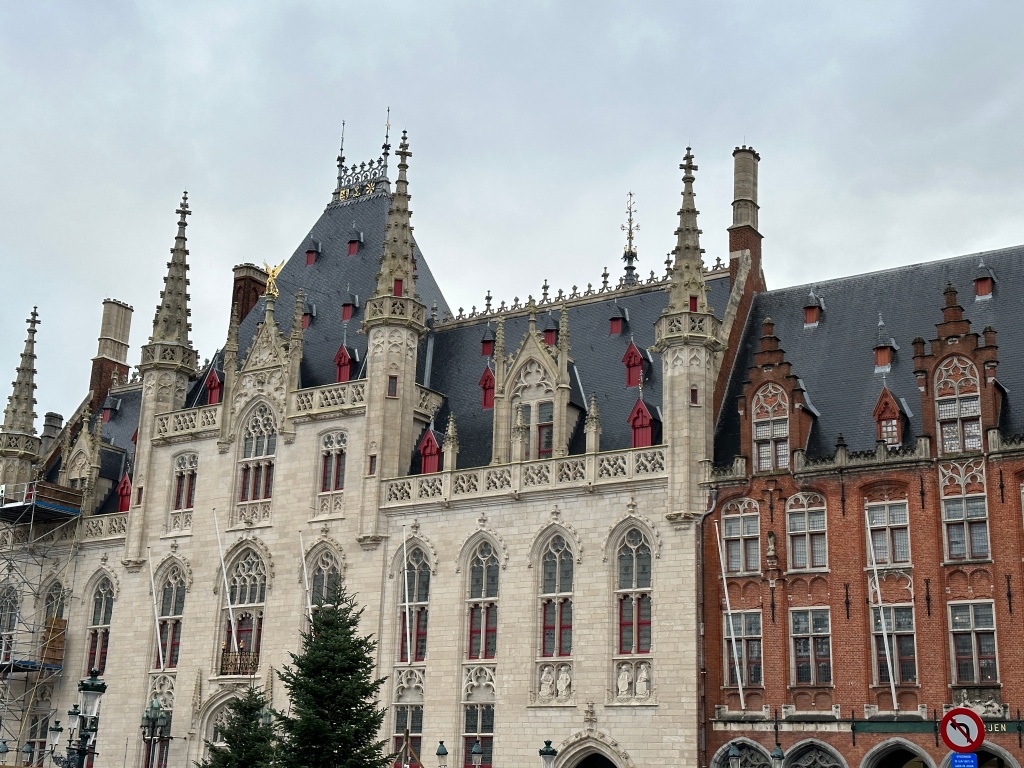
During the tour, they will bring you to see the best things in Bruges, such as the Burg Square, the Reie River, the Belfry of Bruges, the Boniface Bridge, and much more! The tour guides are super entertaining, and I highly recommend if they are there.
If you do not want to the tour, here is how you can visit on your own. I recommend still starting at the Grote Markt, which is the main square in Bruges. From there, you can climb the clocktower, the Belfry of Bruges, to get panoramic views of the city. To see the ticket price, click here.

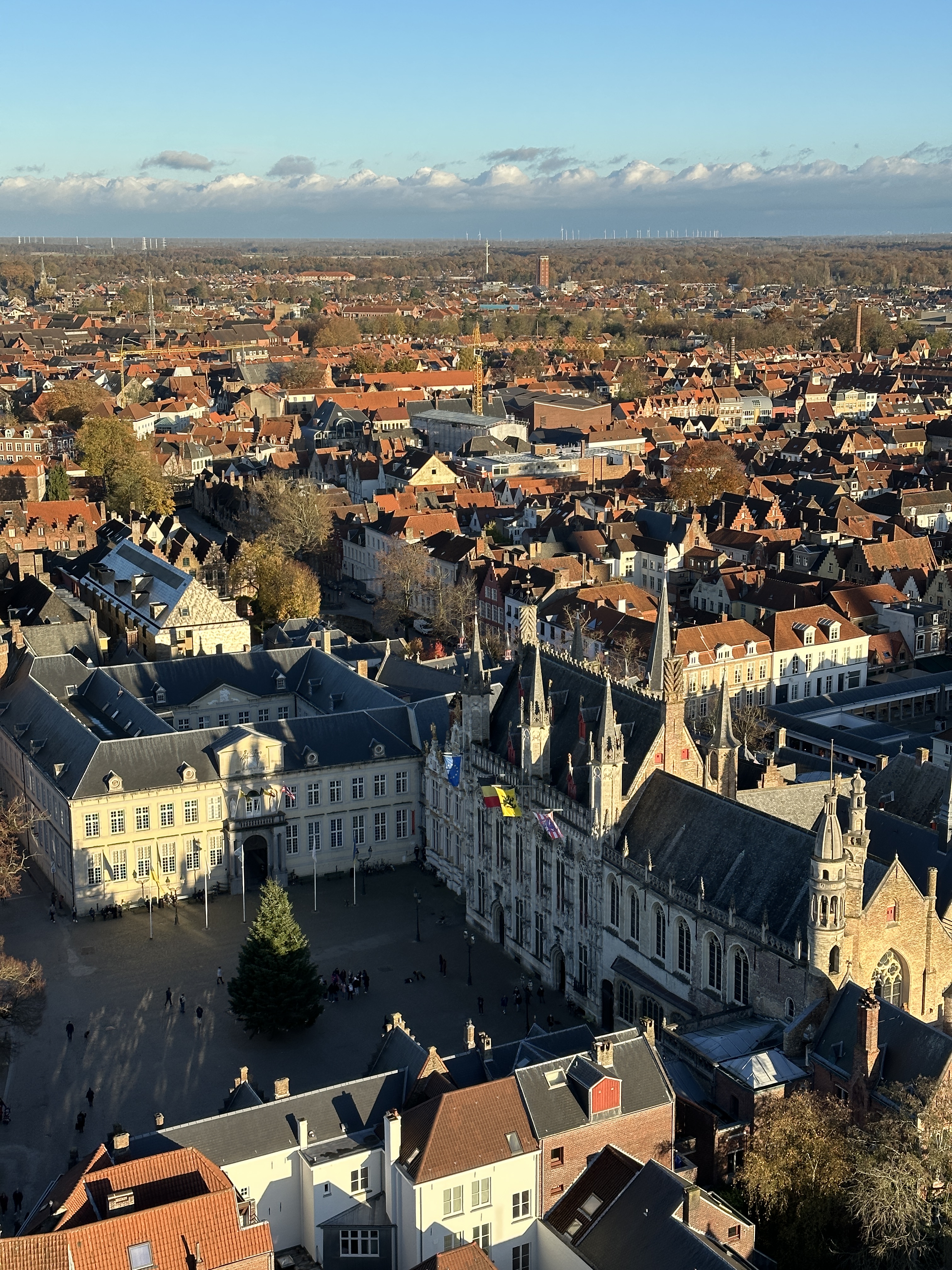
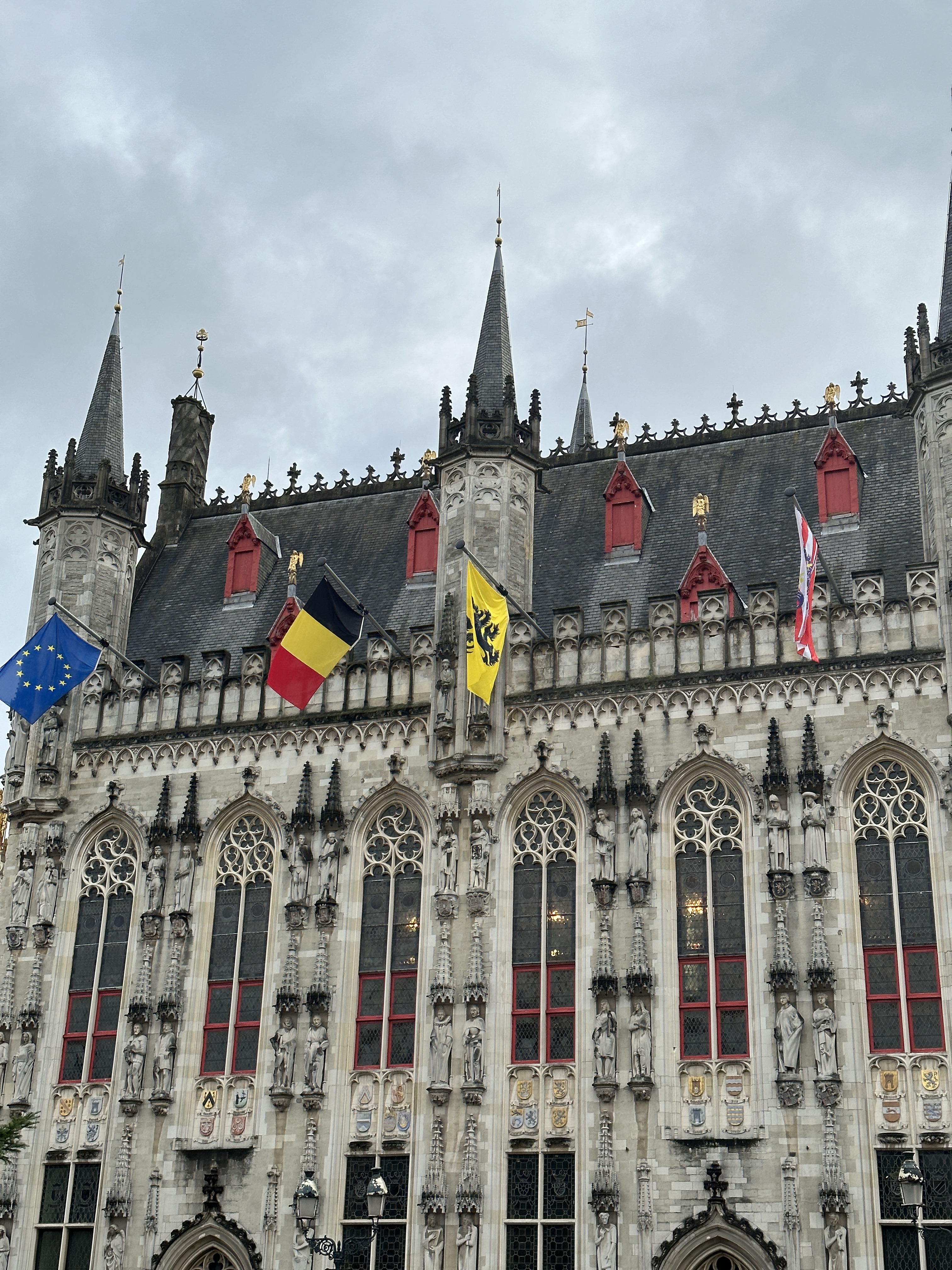
Then, make your way to Burg Square, which is only a few minutes away. At the Burg Square, there is the Basilica of the Holy Blood. You will be able to see the Holy Blood inside, and the entrance is free. This church is said to be the church where Jesus’ Holy Blood is kept.
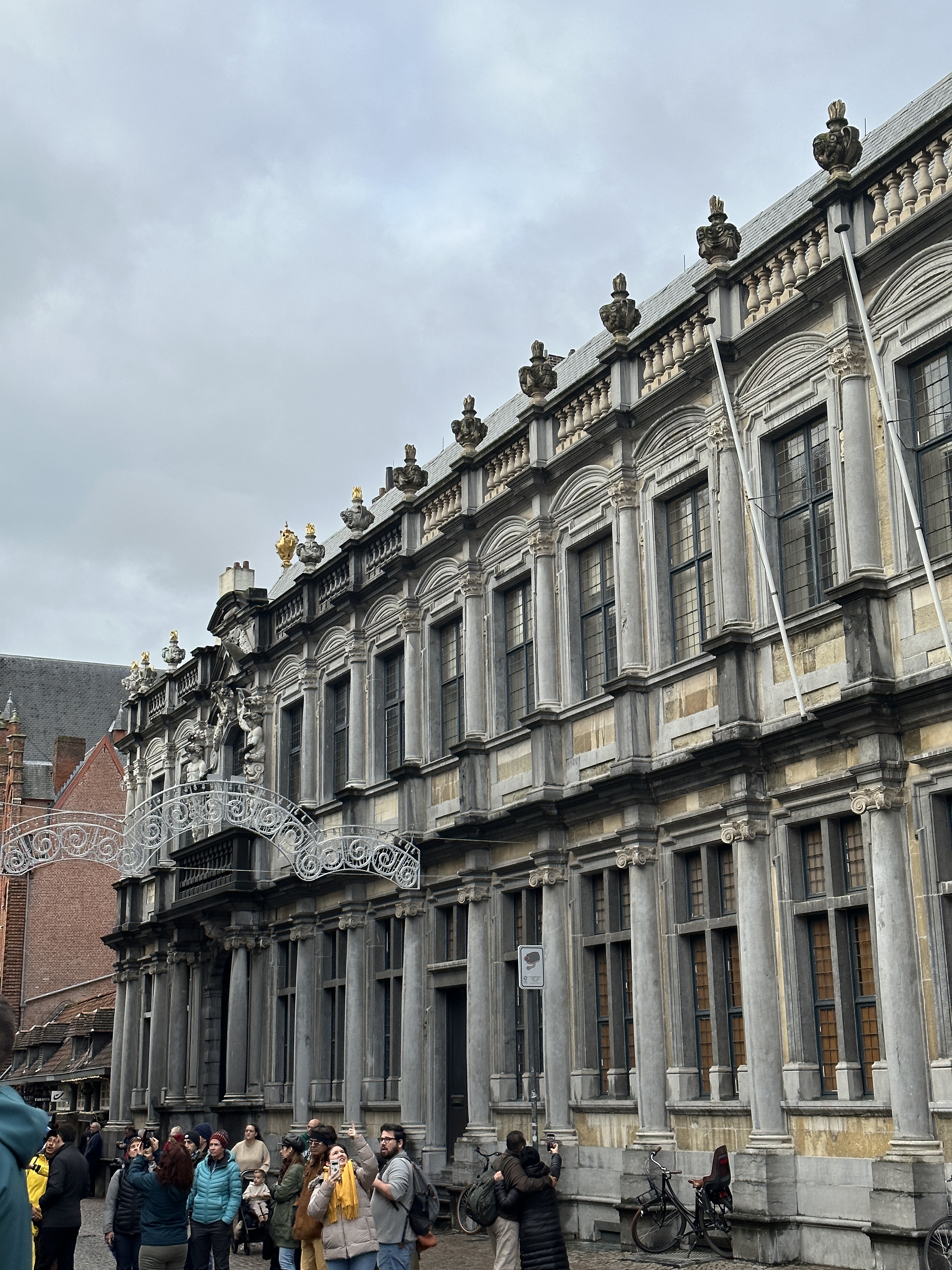
Next to the Burg Square is a restaurant that I tried, called Cambrinus. It is a brasserie, and if you are looking for a place to taste test some beer, this is the place! Beer is a big part of Belgium’s culture, so if you are interested, I definitely recommend.
Afterwards, you can walk along the canals. I suggest just following the stream of the river and just enjoying the views. If you are looking for a famous picturesque spot (although it is beautiful everywhere), type “Rozenhoedkaai” on Google Maps.

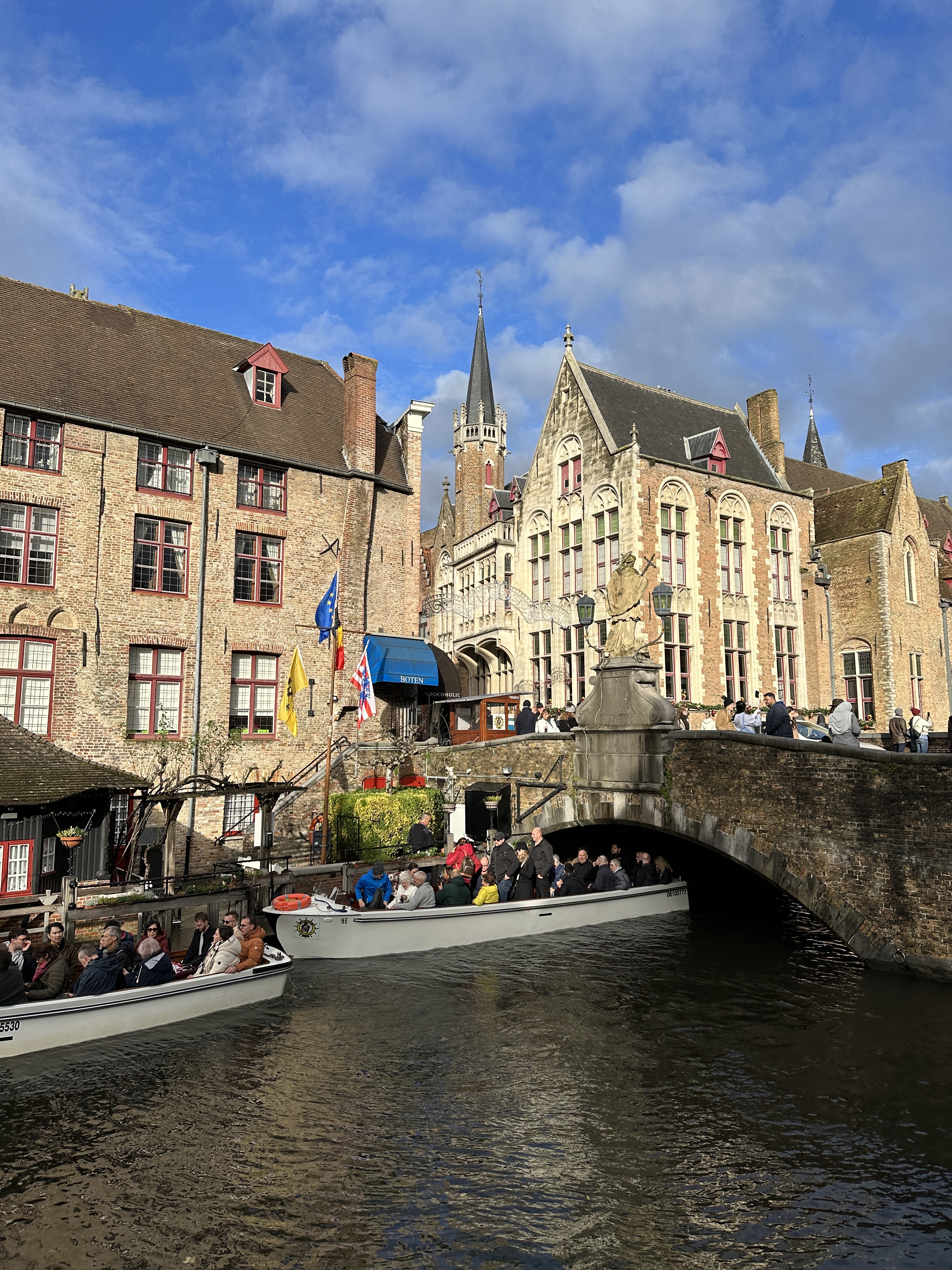
Finally, walk across the Bonifaciusbrug. The legend says that when you set foot on the bridge, the first person opposite sex you meet will fall in love with you at first sight…
Day 6: Leuven
Take a day trip to Leuven. Leuven is the closest city to Brussels in this list, with approximately 30 minutes of one way train ride. From one of the main train stations in Brussels, you can take a direct train to Leuven. The train station to stop at is called “Leuven.”
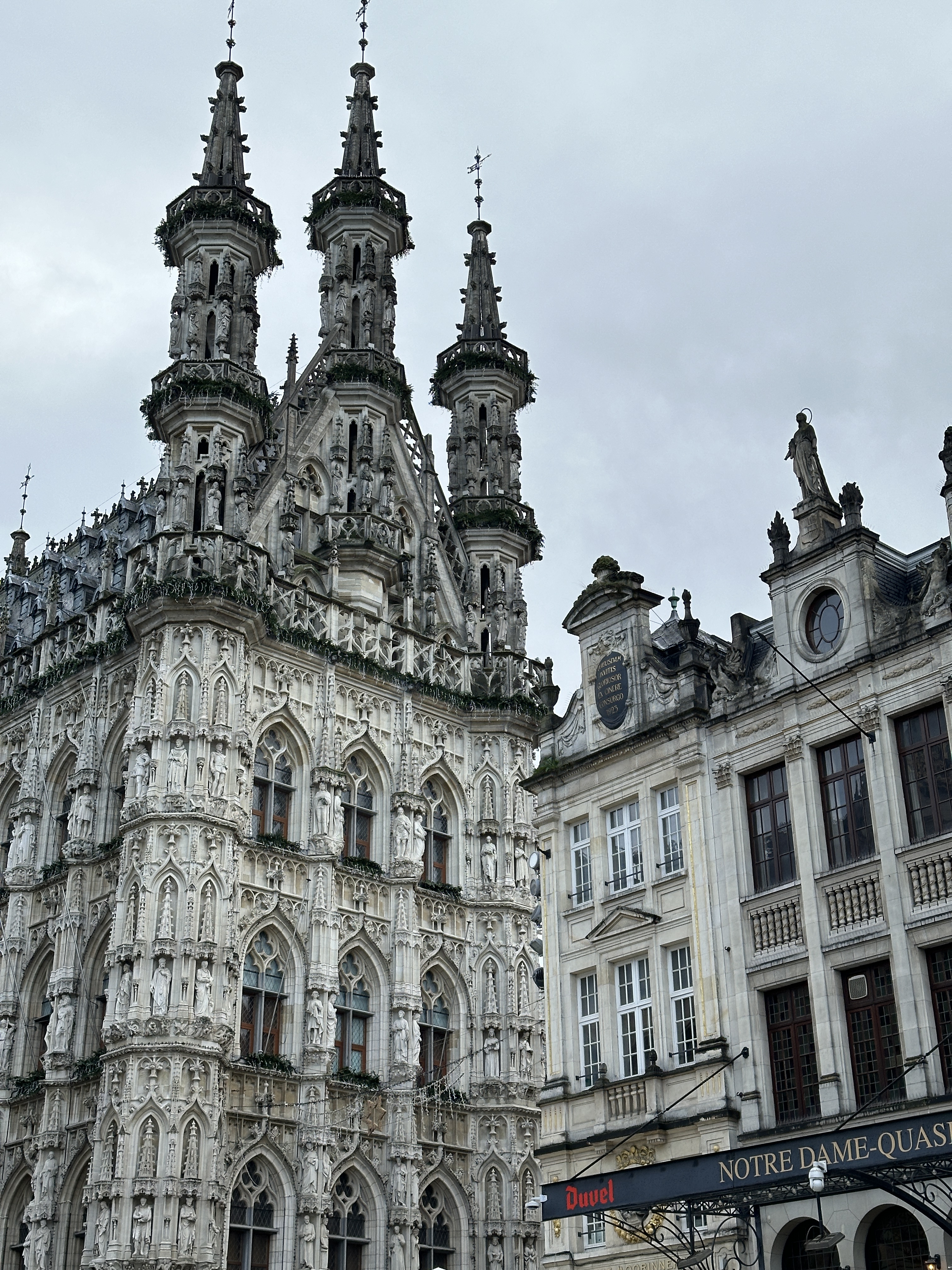
Discover the Town Hall, also called Stadhuis. The entrance is free. They give out audio guides if you are interested in listening. I spent approximately 1 hour here.

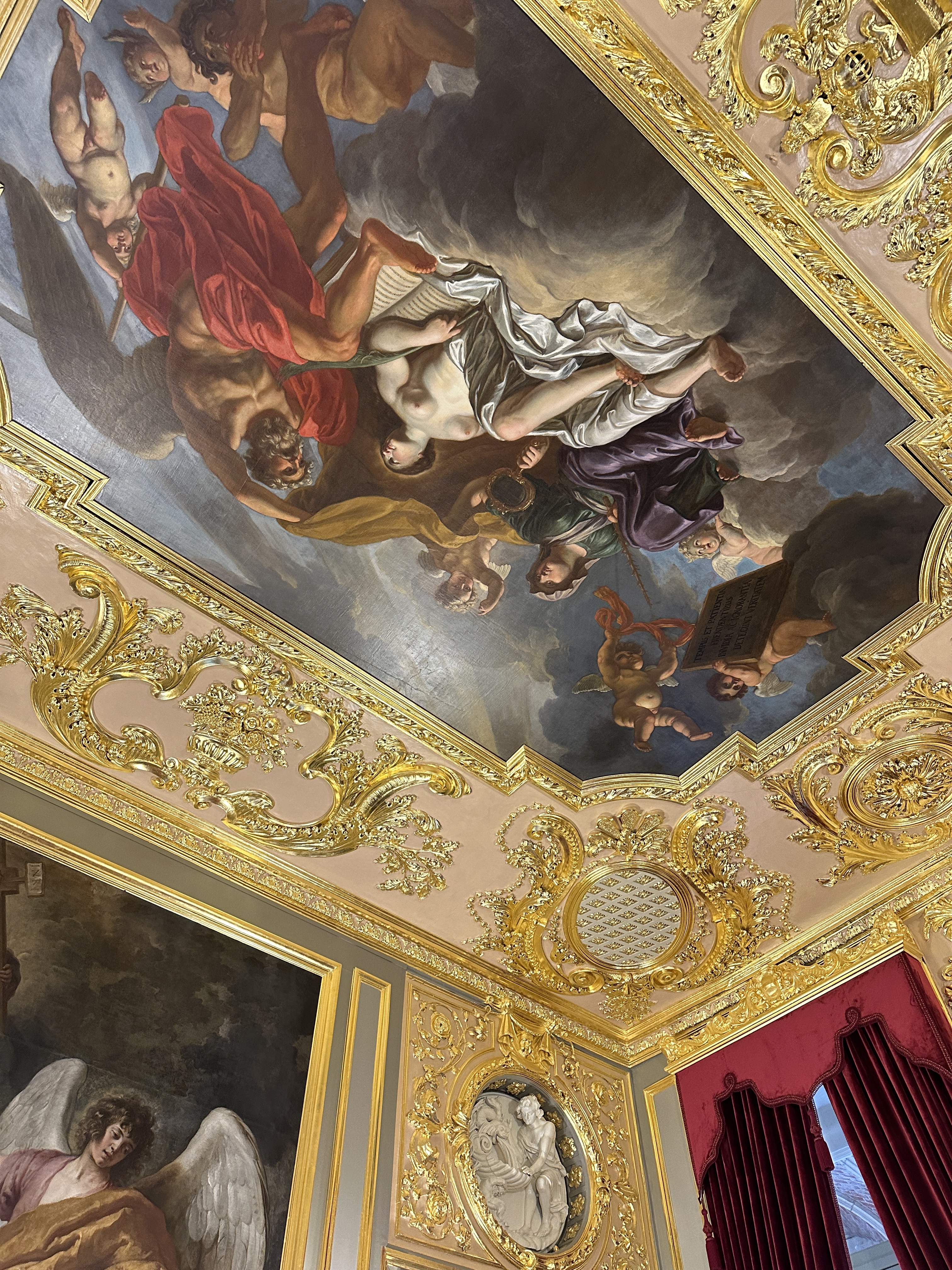
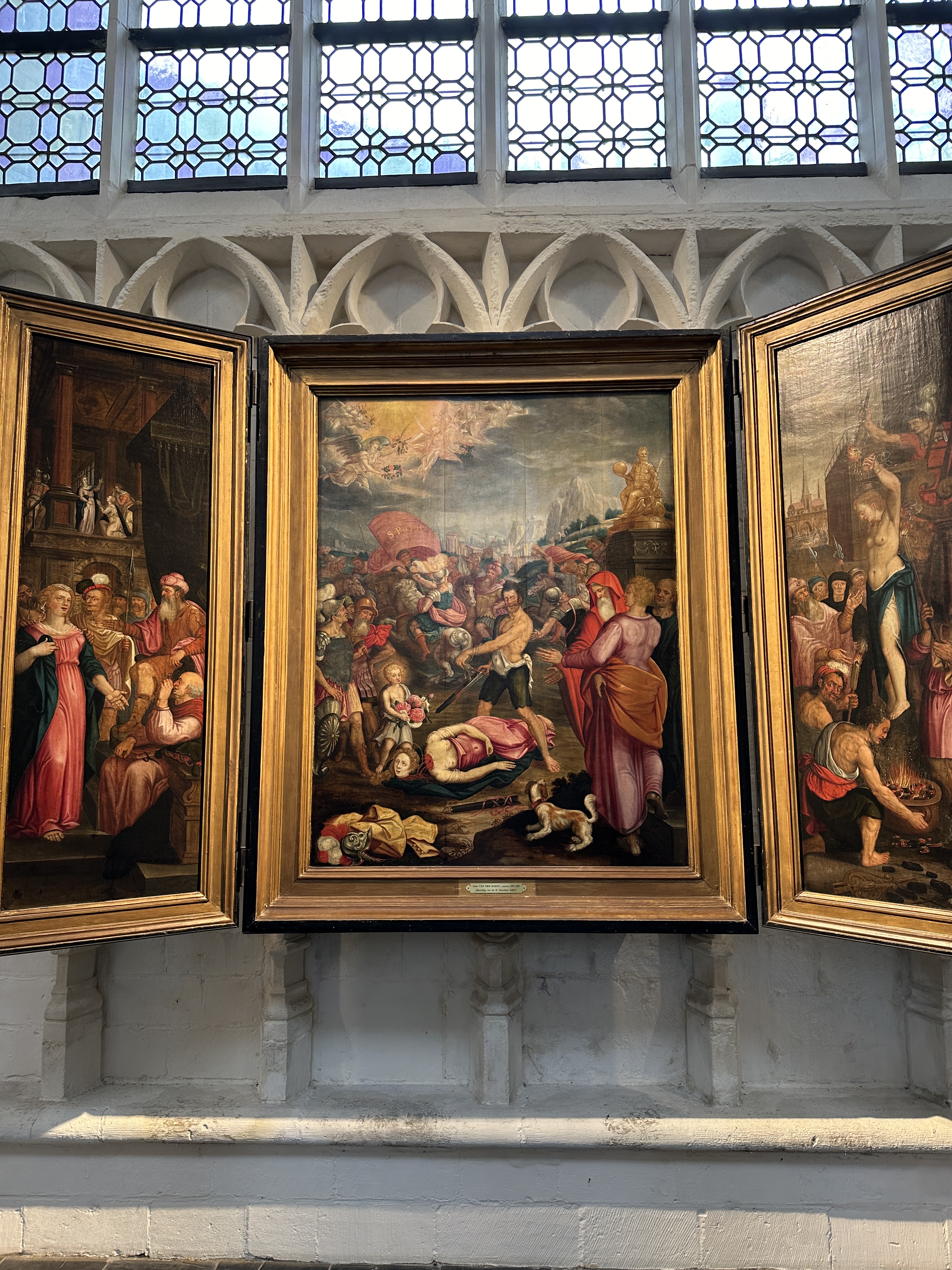
Next, visit St. Peter’s Church, also called Sint-Pieterskerk. The entry is also free! The cathedral is just in front of the Town Hall, so you should definitely stop by.

Walk around Grote Markt. Grote Markt is also right next to the Town Hall and the cathedral. It is the center square of the city (as you can see, each of the cities that I visited have a city square).
If you are looking for a good place to eat, I recommend “Bar Leuv,” which I personally tried and loved. One thing that they offer that is a big hit is their waffle sandwiches. As you might know, Belgium is very famous for its delicious waffles. What they do here is that they put all of the ingredients they would usually put into a sandwich bread on a waffle.
If you’re willing to do some walking, I also recommend visiting Groot Begijnhof. This place was home to the beguines in the 13th-16th centuries. Beguines are women who fostered and provided religious guidance for their community. They lived in the houses that you will visit. You can visit for free.
Day 7: Ghent
Take a day trip to Ghent. From one of the main train stations in Brussels, you can take a direct train to Ghent. The train station to stop at is called “Gent-Sint-Pieters.” It is an approximately 30 minutes one way train ride.
When walking towards the center of the city, you will see the Town Hall, also known as Stadhuis. You will also see the Church of St. Nicholas. Although I did not visit them on the inside, they had fascinating architecture that was amazing to see.

Then walk across Saint Michael’s Bridge and visit the Saint Micheal’s Church. The church’s entrance is free, and they have numerous paintings and sculptures showcased.


From the bridge, you can get to the Graseli Canal. The canal isn’t super long, but it is gorgeous with the colourful houses and the boats passing my. Honestly, if were warmer, I would of loved to pick up some food from the grocery store and have a picnic on the benches near the canal.

On your way back, climb up Belfry of Ghent to have a panoramic view of the city and of the Cathedral of St. Bavo, also known as Sint-Baafskathedraal. For the climb up Belfry, the tickets go up to €11.00. Along your walk up the tower, you will also be able to stop at a few floors where they have some expositions.
In this itinerary, you can see that there were two activities that I did that involved climbing up a tower for panoramic views, and both required an entrance fee. Although I loved both, if I had to pick one to do between those two, I would go with the Belfry of Bruges. I found the views to be prettier because you could see the canal from up and the people surrounded at the Burg Square.


If you would to do more of a guided tour in Ghent AND Bruges, click here for an amazing day tour starting from Brussels. I highly recommend this tour if you are on a tight schedule and would like to fit it in a single day!
Google My Maps with Pinned Locations
In this Google Maps, you will find each location mentioned in this itinerary. The pins are also colour coordinated with the different cities.
Packing List
This is what I packed for when I visited in November. Do make sure to update the type of clothing depending on the season that you are coming to Belgium. Everything fit in my carry on. The products that I linked are exactly the ones that I used 🙂
Clothing
- Pants (4)
- Shirts (4)
- Sweater (1)
- Jacket (1)
- Pyjama set (1)
- Workout clothes (1)
- Underwear
- Socks
Hygiene
- Skin care
- Teeth care
- Hair products
Electronics
- Universal charging adaptor
- Computer and charger
- Portable charger and charger
- Phone and charger
- Headphones
Others
- Passport
- Wallet
- Waterbottle
- Sleeping mask
- Daily use bag
- Medication
- Snacks
- Umbrella
Costs
The costs included here are for one person. The currency is in Euros (€). You can definitely cut down on the costs when you travel. I was travelling with my parents, so we opted for the more comfortable options and more of eating out.
- Flights: 450.00
- Accommodation: 670.00
- Train ticket: 60.00
- Food: 250.00
- Activities: 60.00
- Miscellaneous: 5.00
 Jessie Across the World